The roller burnishing process
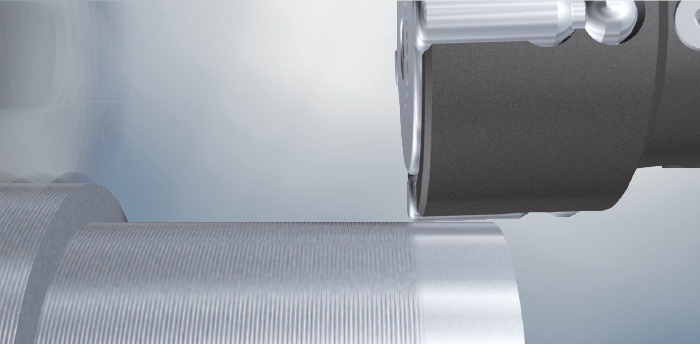
Roller burnishing is the economical, simple and reliable manufacturing of maximum surface quality while increasing the strength and hardness of the workpiece.
Baublies AG defines roller burnishing as a generic term for deep rolling, fine rolling, etc.
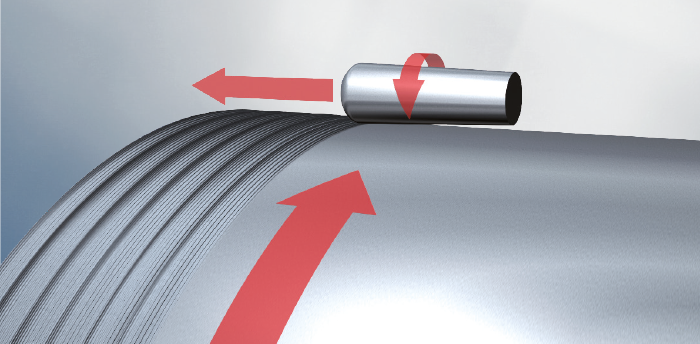
Roller burnishing is a non-cutting process for smoothing and strengthening (metallic) workpieces by means of rolling elements.
During roller burnishing, one or more rollers are subjected to a force directed vertically to the running surface (rolling force). Thereby the roughness profile is plastically deformed and levelled.
In this fine machining process, the stress state in the surface layer of the material is changed.
ADVANTAGES
- Mirror-like surfaces with roughness below 1 μm and high material load-bearing capacity
- Reduced risk of crack formation due to micro-notches (e.g. turning grooves)
- Improved wear characteristics compared to other components (e.g. seals, bearings) due to the high proportion of material on the surface
- Improved corrosion resistance due to reduced surface exposure
Would you like more information?
Click here for Baublies expert knowledge on roller burnishing:
Types of roller burnishing tools
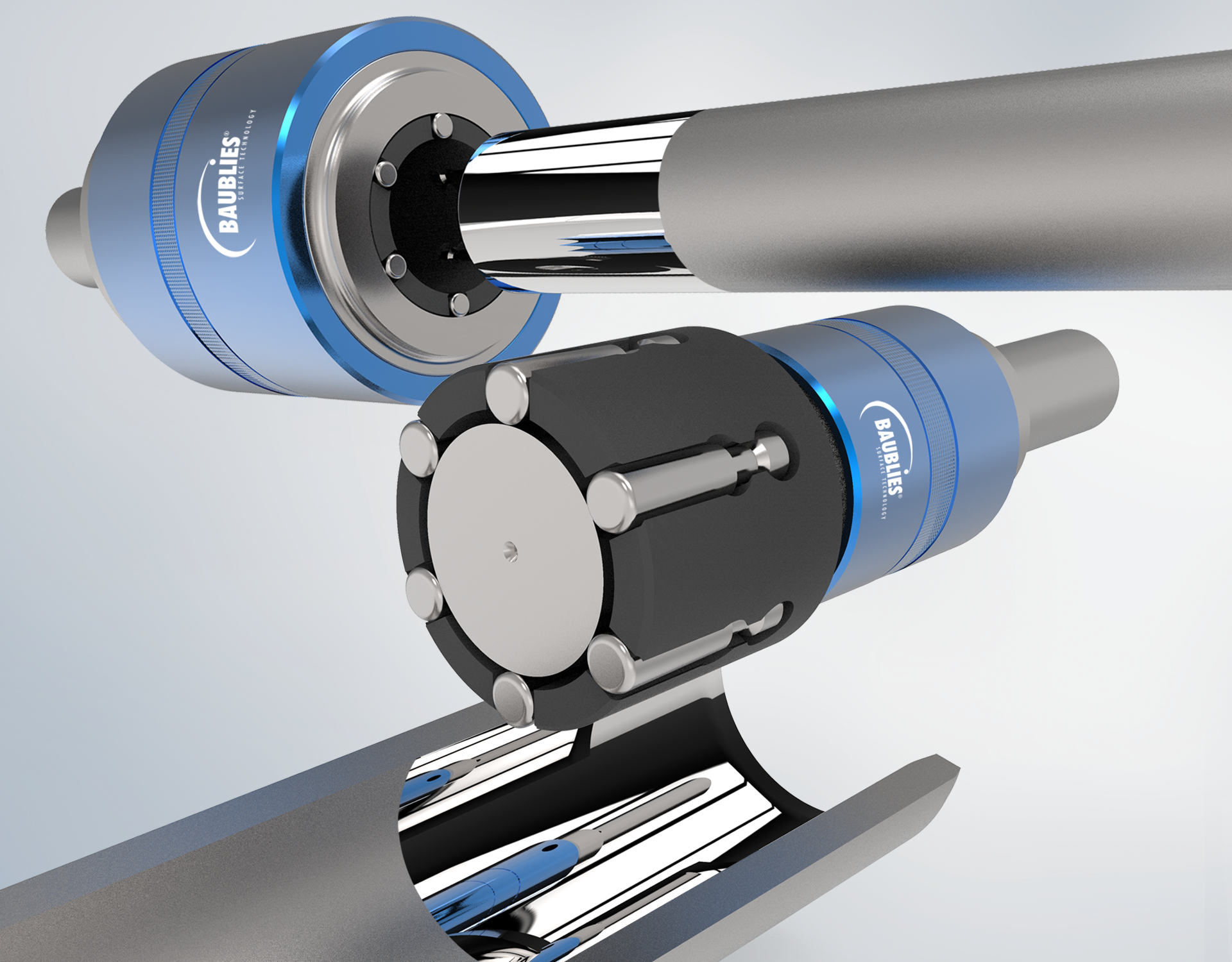
Multi-roller burnishing tools
Multi-roller tools are the classic design of roller burnishing tools. They are available in standard and special designs for machining cylindrical bores, shafts, cones, or flat surfaces..
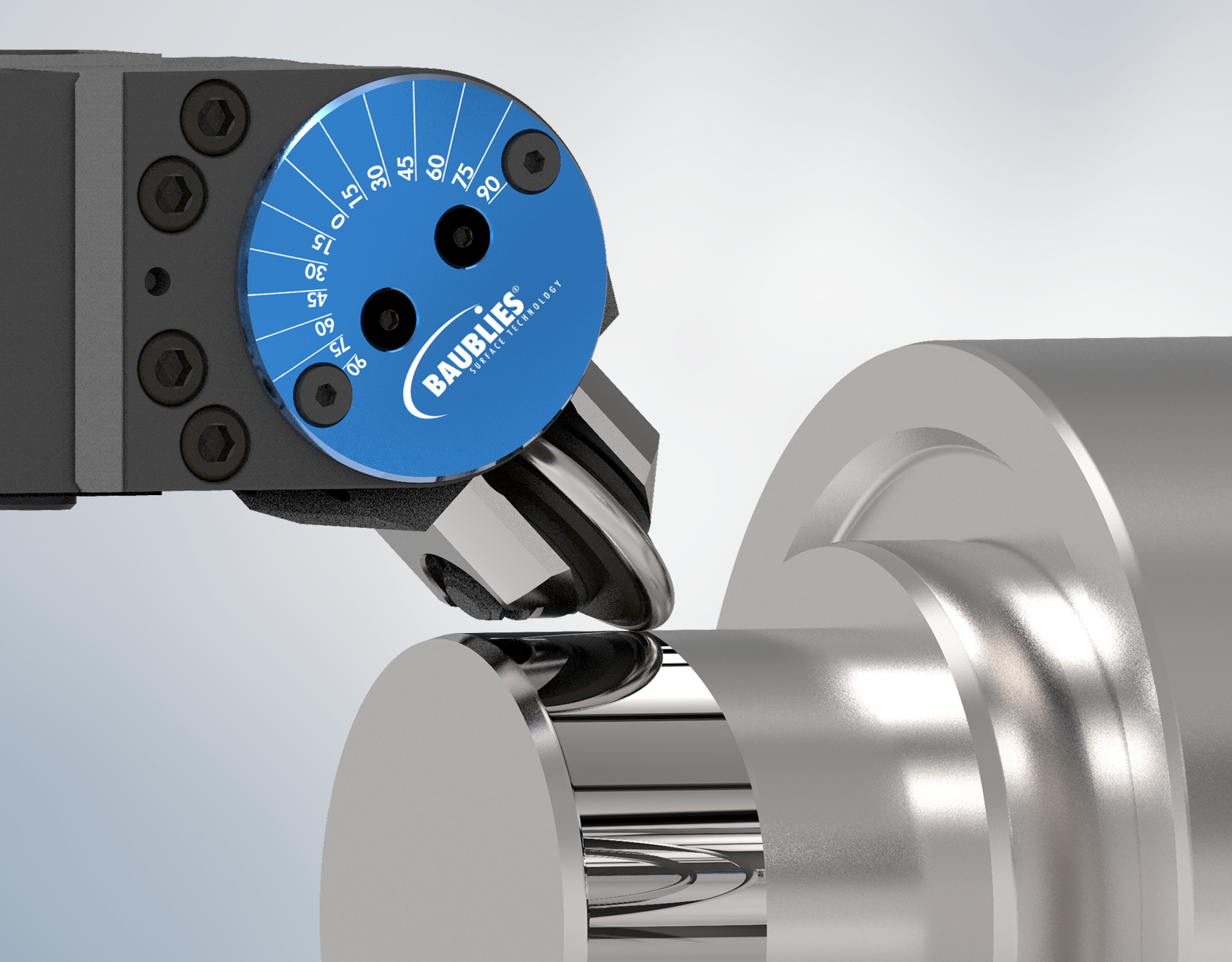
Single-roller burnishing tools
Single-roller burnishing tools feature a roll that engages with the material. The tools are available in variable, modular, and compact designs.
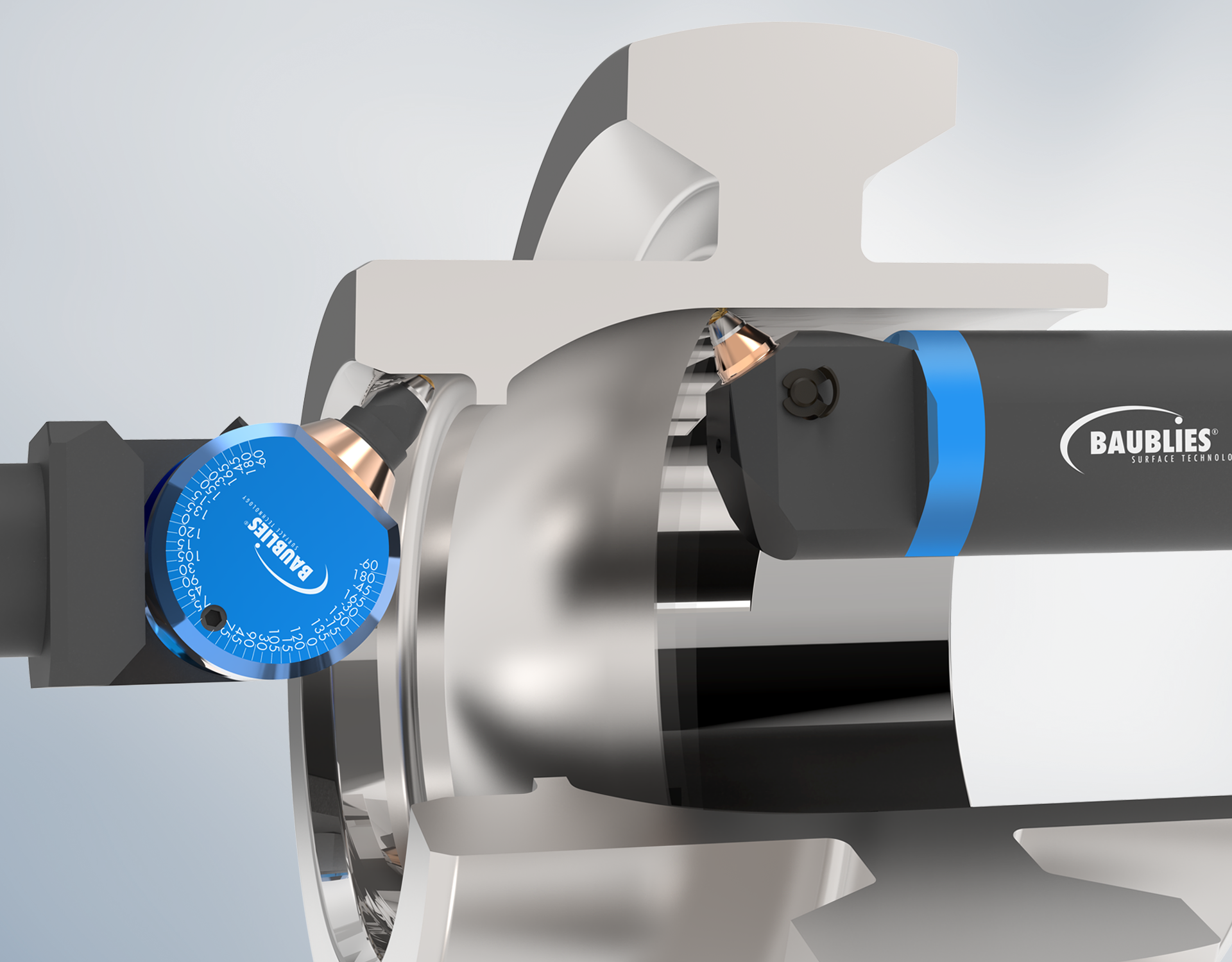
Diamond burnishing tools
Diamond burnishing tools expand the range of applications for smoothing and hardening surfaces of hardened materials up to over 60 HRC.
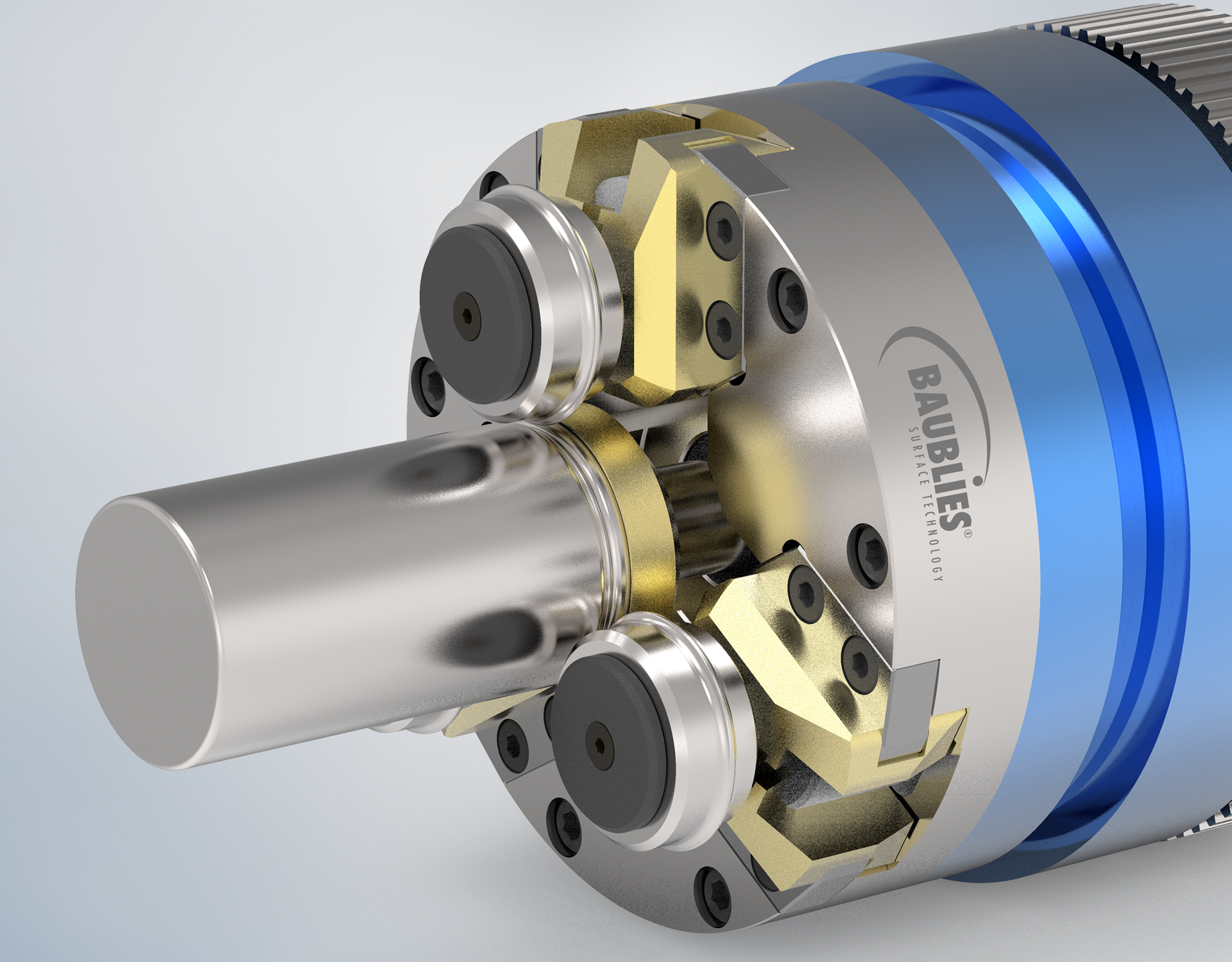
Forming tools
Baublies forming tools are used in a wide variety of applications for expanding, flanging, and beading. Baublies forming tools are versatile, robust, and durable. They enable small series production on standard machines as well as large series production on special equipment.
Examples of possible machining contours
External processing
Internal processing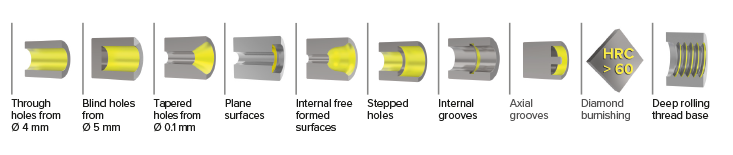
Forming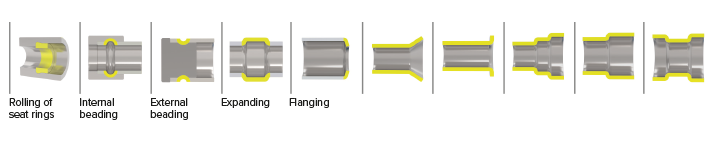
What is your machining task?
Find the right tools with our Tool Finder.